


As the WMF World Cup 2025 in Baku wraps up, the spotlight doesn’t just belong to the players on the field, it also shines on the people working tirelessly behind the scenes to make the global tournament a success. We had the opportunity to sit down with Nemanja Ljumović, the Tournament Director of the WMF World Cup, to reflect on the organizational triumphs, challenges, and evolution of this prestigious event.
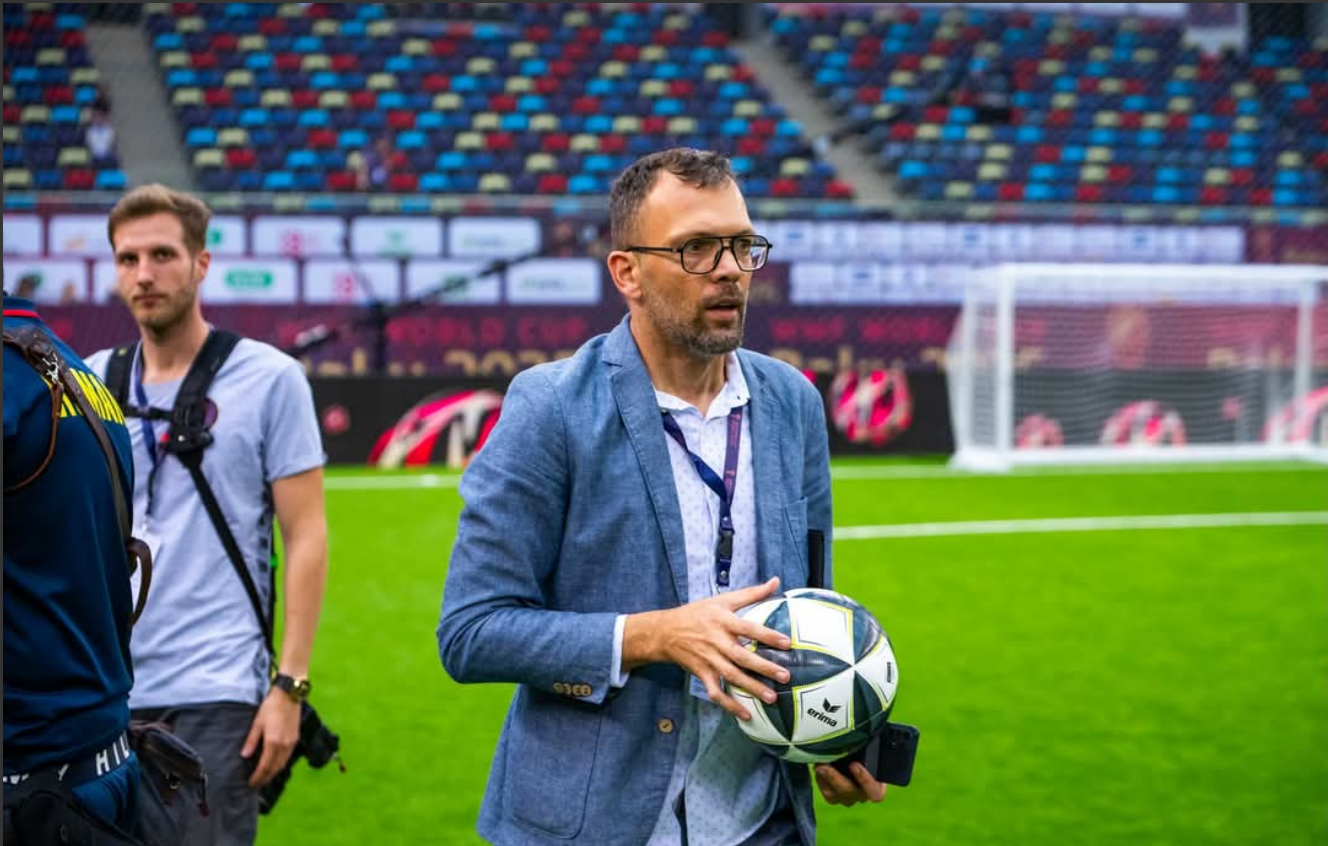
In this exclusive interview, Nemanja shares his insights on how the tournament unfolded, the lessons learned from his years in various leadership roles, and what has driven the World Cup’s steady rise to global prominence.
You are the Tournament Director for the WMF World Cup in Baku. How do you rate the tournament from the organization's point of view and also from the public's point of view?
As the Tournament Director for the WMF World Cup in Baku, I must say I am extremely proud of how the event unfolded. From an organizational point, everything run perfectly, from logistics, team coordination to scheduling, communication, addressing any question promptly. Also, I am very satisfied with the response of the public, which has been positive, with fans praising the atmosphere and hospitality. Overall, it was a sounding success and an enjoyable tournament.
How would you rate WMF WC in Baku among the tournaments you attended as the Tournament Director, Head of the Referee Committee, or even as the referee?
I want to emphasize that I am very glad that I have grown, along with the roles I have played in tournaments. It is ungrateful to compare, especially considering that I have taken each role as seriously as possible, putting in maximum effort to give my best. Every tournament, and every role I played in it, remains a special memory for me and I am truly proud to have had the opportunity to develop myself professionally in this way.
How would you rate the progress of the World Cup from the first one to this one? What are the major improvements achieved?
The evolution of the World Cup has been remarkable. Every next tournament has brought something new and better - from higher standards in organization and broadcasting to increased participation from countries and elevated competitiveness on the field. I must emphasize that improvements are the professionalization and modernisation of every part of the tournament. Along with the above mentioned, the tournament's visibility has increased, showing how dedication to the organization it pays off.
Recently, you have changed your position from the Head of the Referee Committee to the position of Tournament Director. Does this change suit you well, and what are the biggest challenges that you are facing?
Yes, I had the honor, respinsability and luck to be in both positions. While I thoroughly enjoyed my role in the Referee Committee, stepping into the position of Tournament Director has given me a broader platform to contribute to the minifootball development. It’s a role that suits my experience and passion for minifootball. The biggest challenge is ensuring that every detail aligns perfectly, but it's also the most exciting part of the job. I always had the great support and help of all team members, which made this complex task much easier.
Looking Ahead
With the Baku World Cup setting new standards for organization, fan engagement, and international competition, Nemanja Ljumović and his team have demonstrated what’s possible when experience, passion, and precision come together. As minifootball continues to grow on the global stage, the lessons from this World Cup will undoubtedly shape even bigger and better tournaments in the years to come.
We thank Nemanja for his time and dedication, and we can’t wait to see where the next chapter of the WMF World Cup will take the sport!
